The water pit
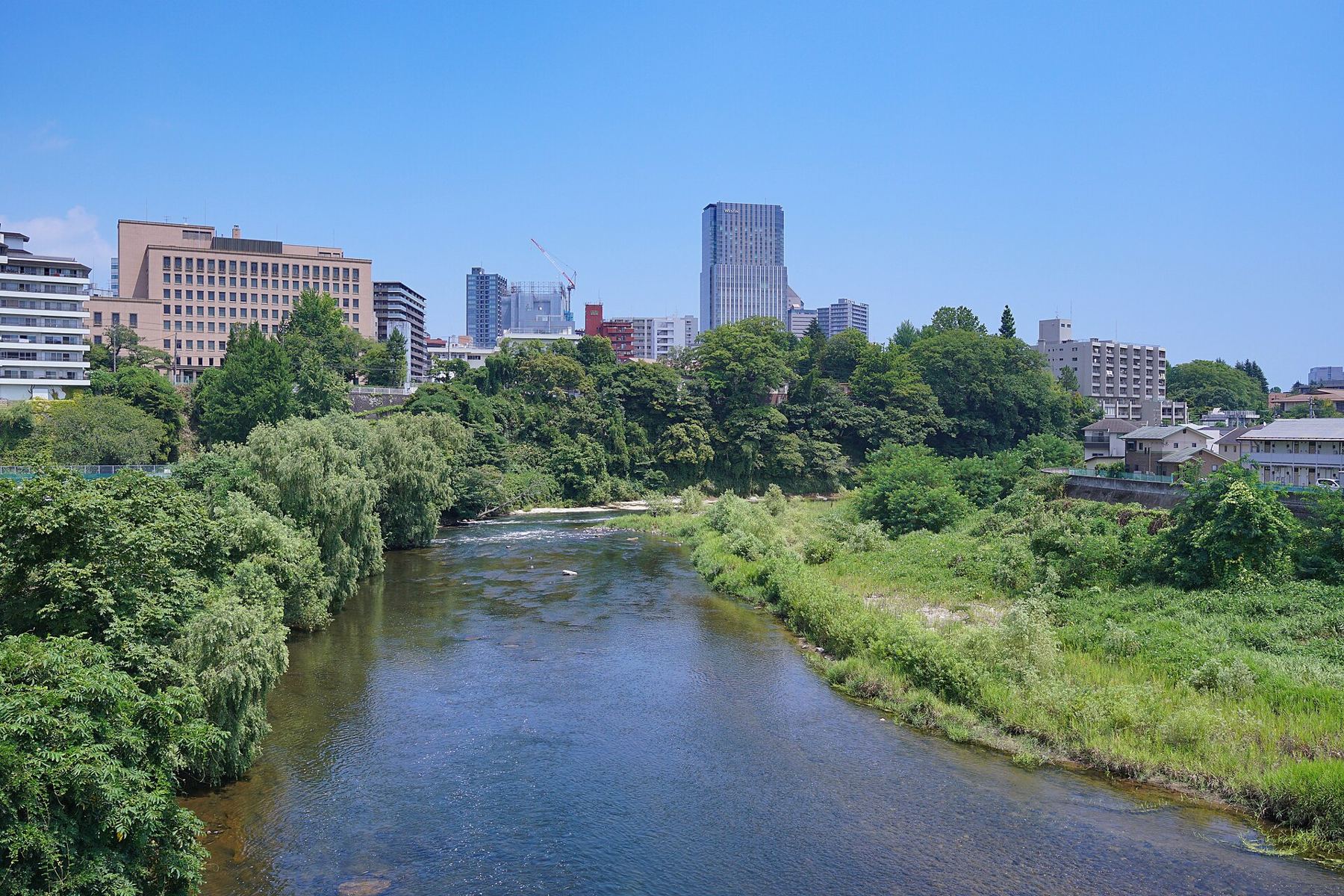
On the last day of the ninth year of Genna by the old calendar, 18 February 1624 by ours, at about two in the afternoon, Father and eight Christians held by the domain were brought to the bank of the Hirose River. Carvalho had been taken in the mountains above and led there through deep snow. Now, a little more than a metre from the bank, a (mizurō) had been dug and filled about 60 cm deep. They were stripped and tied to stakes driven into it.
After more than three hours they were pulled out, numb with cold, and fell on the bank. Only the priest knelt on the stones, bowed his head and began to pray. Two died as soon as they came out; one of them looked up to heaven, as if seeing a vision, and cried "Who is that?" as his soul went to God. The magistrate promised to spare them all if the priest would give up his faith; he firmly refused.
The seven still living were taken back to prison for the three days of the New Year. On the fourth day of the first month of Genna 10, 22 February 1624, they were taken back to the pit and tied again to the stakes, first standing up to their knees, then forced to sit with the water at their chests.
Night came and the water began to freeze; the cold grew harder, the wind stronger, and the snow kept falling. Through it all they heard the priest repeat with love: "It is only a moment. Soon the suffering will be over." One, two, three, they breathed their last. The last was : "Father, farewell. I feel that my end has come." "Go, my son, in the peace of God," the priest answered, and he closed his eyes. It was about eight in the evening. The priest's strength in faith through ten hours of torment moved even those who were not Christians to wonder.
Sources: the water pit
The Jesuit Annual Letter, written from the witnesses who stayed by the pit to the end, is the main account. Hubert Cieslik SJ retold it in full; AMOR, a Catholic web magazine, follows the same story, and the Sendai City Library and the Pauline sisters confirm the outline: Carvalho and believers, nine in all, at the Hirose River in early 1624.
Father Diogo Carvalho
Diogo Carvalho was born in Coimbra in 1578 and entered the Society of Jesus there at sixteen. He sailed for the Indies in 1600, reached Japan in 1609, and worked on Amakusa and in Kyoto until, in November 1614, he was one of 73 Jesuits deported to Macao. He came back in secret and went north. In 1620 he crossed to Ezo with Christian miners and on 5 August, the feast of Our Lady of the Snows, said the first Mass ever offered in Hokkaido. From 1622 he led the Jesuit mission of the north from Mizusawa, the Christian land of Gotō Juan.
In January 1624, after the great martyrdom of Edo, Date Masamune was given a pointed hint by the shogun Iemitsu that there were still many Christians in his domain, and he ordered them hunted down. Carvalho heard the last confessions of his flock and hid with sixty Christians in huts in a mountain valley. When the searchers found them and began to burn the huts, he stepped forward and cried out that he was the one they wanted. Their footprints in the snow had led the soldiers to them. Two old men who could not keep up on the road were cut down. The rest were questioned at Mizusawa, two of them were tortured, and nine were taken on foot to Sendai.
The names that have come down to us include Matthias Sohyōe and Julian Emon, who died on the first day, Leo Konemon, whom the priest comforted most of all on the last night, and Matthew Magobyōe and Paul Kisuke, examined with him at the start. Carvalho was beatified with the 205 martyrs of Japan on 7 July 1867.
The month of the martyrdom
The sources give "1624 (Genna 9)", "January 1624 (Genna 10)" and February 1624. They agree once the calendar is read: the last day of Genna 9 and the first month of Genna 10 by the Japanese calendar fall on 18 and 22 February 1624 by the Western calendar.
The monument by Ōhashi
In September 1971 the Sendai Christian martyrs monument was set up at the east end of Nishi Park, near the Ōhashi bridge over the Hirose River. The idea came from the Sendai men's league of the Catholic Church, and the members of Motodera-kōji church carried it out. Its three bronze figures are by Father , a priest of the Sendai diocese: in the centre Father Carvalho looking up to heaven, on his left a samurai martyr and on his right a farmer martyr, both deep in prayer. The men's group repaired the cracked base in 2017 to 2018 and added two stones beside it with the text in English, Spanish and Korean, so that visitors from abroad might come too.
