People
Missionaries, martyrs, hidden believers and witnesses. Each page cites its sources; unverified points are marked on the page.
The mission century, 1549 to 1614
A Kagoshima man who fled Japan after a killing, went looking for a priest to confess to, became the first Japanese Christian, and brought Francis Xavier home with him in 1549, and then slipped out of the record.
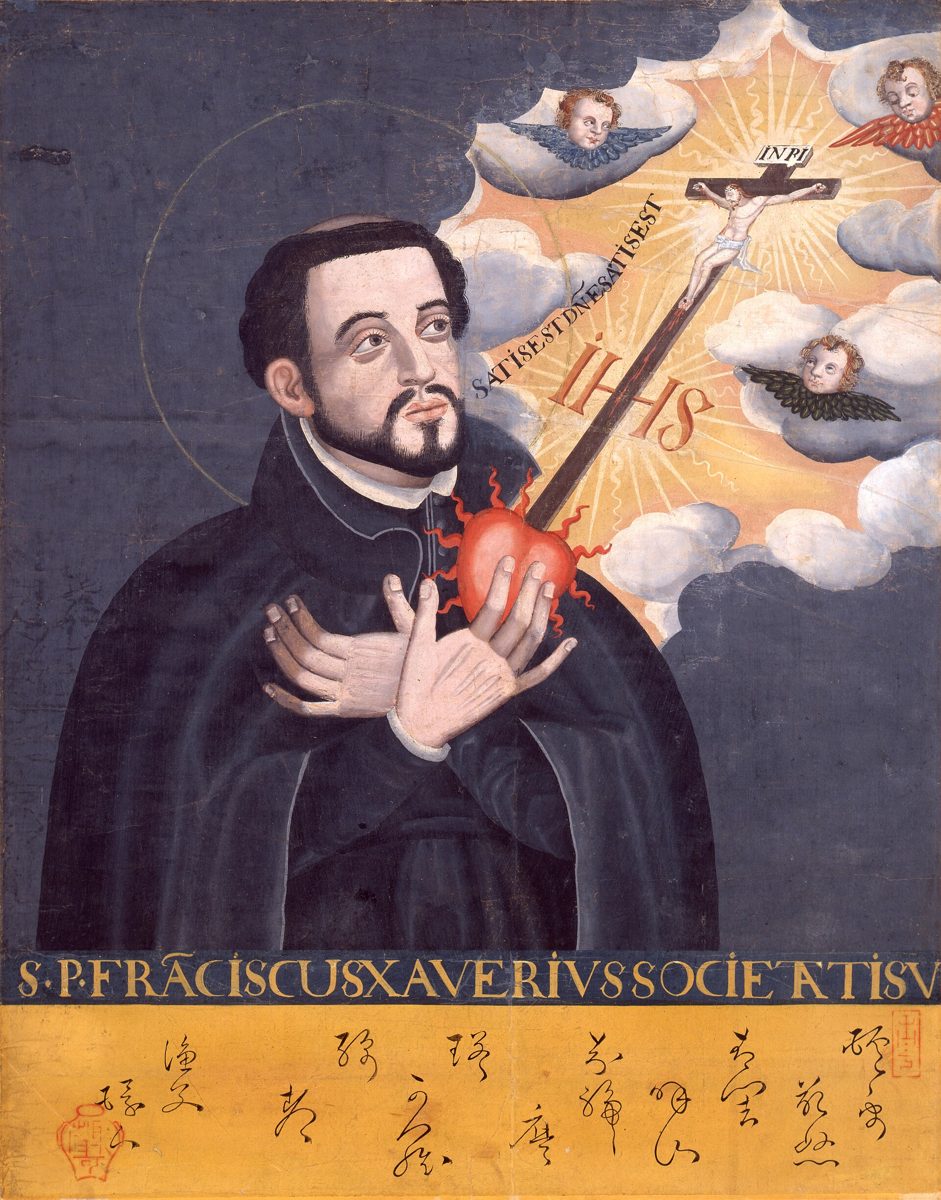
The Basque Jesuit who brought Christianity to Japan in 1549, walked barefoot through snow to a ruined capital, learned from his mistakes, and left after two years with an admiration for the Japanese that shaped the mission for a century.
Juan Fernández (about 1526 to 1567), a silk merchant of Córdoba who became a Jesuit lay brother, landed at Kagoshima with Francis Xavier in 1549, learned Japanese so well that he became the mission's voice, preached in the streets of Yamaguchi where a man spat in his face, helped compile the first Japanese grammar and dictionaries, and died worn out at Hirado in 1567.
Shimazu Takahisa (1514 to 1571), the lord who reunited the Shimazu house and laid the foundations of its rule over Satsuma and Ōsumi, received Francis Xavier on the feast of St Michael, 29 September 1549, and gave his people leave to become Christians; under pressure he withdrew that leave a year later, but he kept writing to the Jesuits and to the Viceroy of India, asking for priests and ships.
A poor young man of Kagoshima, baptised by Francis Xavier in 1549 among his first converts, who never left the saint's side on the road to Yamaguchi and Kyoto, sailed with him to India in 1551, and became the first Japanese to reach Europe and Rome; he entered the Society of Jesus and died at Coimbra in 1557, "like a saint."
The Spanish Jesuit who landed with Francis Xavier in 1549, stayed when Xavier left, and for nineteen years led the young Church of Japan from Yamaguchi, Bungo and the ports of Ōmura and Arima, until he died in harness at Shiki in Amakusa in 1570.
Gaspar Vilela (about 1525 to 1572), a Portuguese Jesuit priest, came to Japan in 1556, preached in Hirado and its islands, and in 1559 went up to Kyoto with the Japanese brother Lourenço to found the Church of the capital, living for months in freezing huts until the shogun Ashikaga Yoshiteru granted a licence to preach; among his converts were the Takayama family, and in 1569 he built Nagasaki's first church, All Saints.
Luís de Almeida (c. 1523 to 1525 to 1583), a Lisbon-trained surgeon and merchant who gave his fortune and his skill to the Japan mission, founded the orphanage and hospital of Funai with Fr Baltasar Gago, became a Jesuit brother and later a priest, opened missions across Kyushu, and died at Kawachinoura in Amakusa.
A Portuguese Jesuit (about 1532 to 1597) who spent thirty four years in Japan, befriended Oda Nobunaga, wrote the mission's annual letters and its first great History of Japan, and ended his life as an eyewitness of the Twenty-Six Martyrs.
The lord of Ōmura, a small domain on Ōmura Bay, who became the first Japanese lord to be baptised (1563), opened Yokoseura, Fukuda and Nagasaki to the Portuguese, and in 1580 handed Nagasaki and Mogi to the Jesuits.
The lord of Bungo who welcomed Francis Xavier in 1551, protected the missionaries for twenty-seven years before he asked for baptism himself in 1578, and died a Christian at Tsukumi in 1587.
The warlord who began the unification of Japan (1534 to 1582) never became a Christian, but for thirteen years his favour let the Jesuits preach in Kyoto, build the Nanbanji church and open a seminary under the walls of his castle at Azuchi.
Organtino Gnecchi-Soldo SJ (1533 to 1609), an Italian Jesuit from the hills above Brescia, spent more than thirty years in and around Kyoto, built the church of the Assumption there, opened the seminary at Azuchi, stayed with his flock through Hideyoshi's ban, and was so loved that the Japanese called him "Urugan Bateren," Father Organtino.
The Italian Jesuit who visited Japan three times between 1579 and 1603, made the missionaries learn the language and the manners of the country, opened schools for Japanese priests, sent four Japanese boys to Rome and brought back the printing press.
Gregory XIII (pope 1572 to 1585) never saw Japan, but he gave its young Church money for its seminaries, approved the Jesuits' holding of Nagasaki, reserved the Japan mission to the Society of Jesus in 1585, and in the last weeks of his life embraced the four boy envoys from Kyushu; the calendar he reformed in 1582 is the one Japan has used since 1873.
The Christian lord of Arima in Shimabara (1567 to 1612) who was baptized by Valignano, gave the Jesuits their first seminary, sent his cousin to Rome, hid the missionaries after 1587, and, ruined by a bribery affair, died at the executioner's hand in exile in 1612, having refused to take his own life because it was forbidden to Christians.
A Portuguese Jesuit from Porto who led the Japan mission at its height, sat half a tatami mat from Hideyoshi in Osaka Castle in 1586, received the expulsion edict a year later at Hakata, and spent his last years hiding the missionaries so that the Church in Japan could live.
A Catholic merchant's son from Sakai (about 1555 to 1600) who rose to be Hideyoshi's admiral and lord of southern Higo, sheltered Takayama Ukon, led the first army into Korea, made his lands the fastest growing Christian territory in Japan, and was beheaded in Kyoto after Sekigahara.
The soldier of humble birth who united Japan first welcomed the Jesuits at Osaka Castle, then ordered them out in 1587, took Nagasaki for himself, and in 1597 had twenty six Christians crucified.
A samurai lord baptised at twelve who made Takatsuki a Christian town, helped build the seminary at Azuchi, gave up his domain in 1587 rather than his faith, lived twenty-six years as a guest in Kanazawa, and died an exile in Manila in 1615; the Church beatified him as a martyr in 2017.
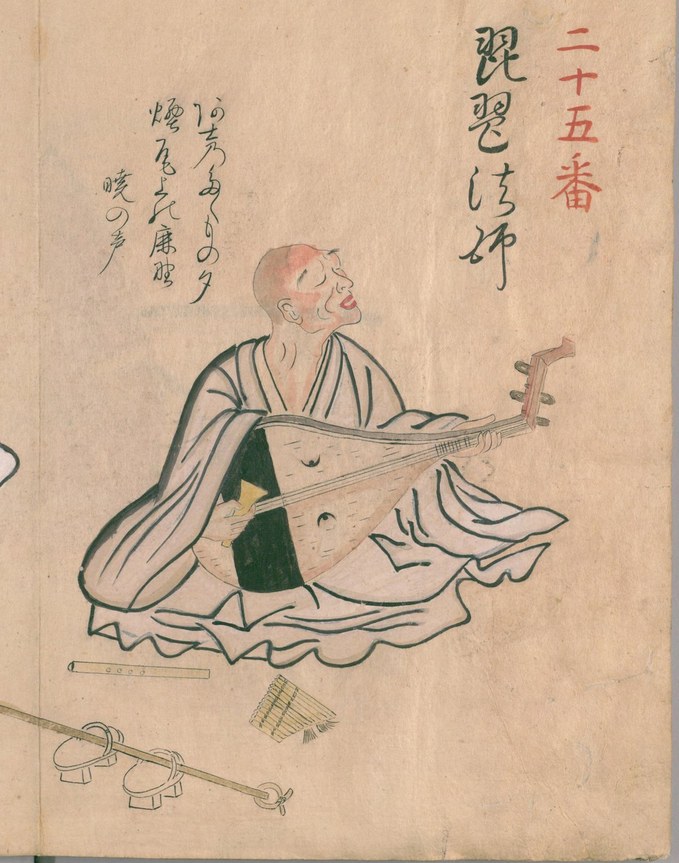
A poor, nearly blind street singer from a fishing hamlet on Hirado who met Francis Xavier at Yamaguchi in 1551 and became the voice that brought samurai lords, a future saint's father and the Takayama family into the Church.
Two learned Buddhist monks from the mountain monastery of Tōnomine in Yamato came to the Jesuits at Yamaguchi to argue, were baptized as Paulo and Barnabé, and opened the first road for the Christian message toward the capital.
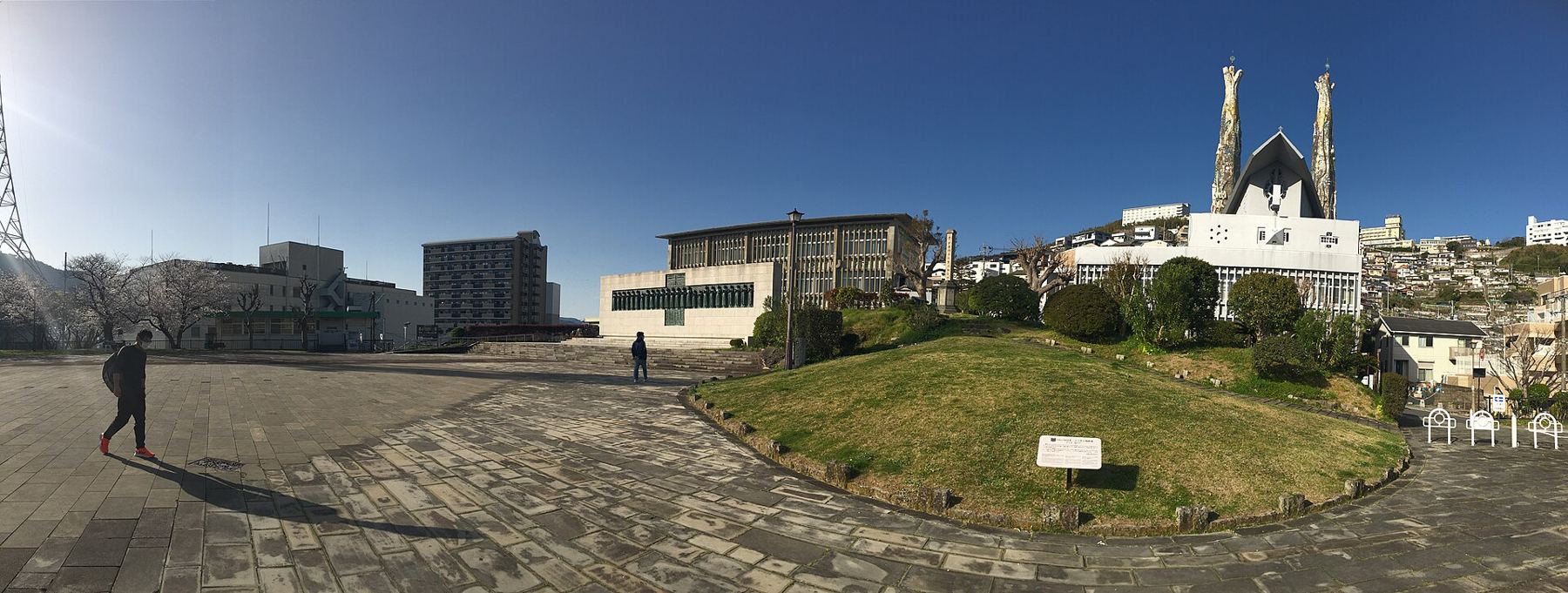
A samurai's son and famous preacher who was only months from ordination when he was arrested, and who preached his last and greatest sermon from a cross at Nagasaki in 1597.
A Portuguese boy who reached Japan at about fifteen, became the voice between Hideyoshi and the Church, wrote the first great grammar of Japanese, and, exiled at the end, leapt from a besieged Chinese city wall at seventy-one.
Akechi Mitsuhide's daughter Tama, wife of the daimyo Hosokawa Tadaoki, who found the Catholic faith in seclusion and in a single visit to the Jesuit church at Osaka, was baptized secretly by her lady-in-waiting in 1587 under the name Gracia, and died at her Osaka residence in 1600 rather than be taken hostage.
The founder of the Tokugawa shogunate (1543 to 1616) tolerated the missionaries for more than a decade after Hideyoshi's death, then in 1612 to 1614 banned Christianity, expelled the priests and began the prohibition that lasted until 1873.
Ban, martyrdom and apostasy, 1614 to 1715
Tokugawa Hidetada (1579 to 1632), the second Tokugawa shogun, remembered as a dutiful son who kept his father's will, was the ruler in whose name the 1614 edict against Christianity was issued; after Ieyasu's death he carried the ban to the villages and tied trade to it, and it was by his order that fifty-two Christians were burned in Kyoto in 1619.
A Genoese noble who gave up a cardinal uncle's patronage for the Jesuit missions, Carlo Spinola (1564 to 1622) reached Japan in 1602 after six years of shipwreck and capture, taught mathematics and astronomy in Kyoto, made the first scientific observation of a lunar eclipse in Japan, stayed in hiding after 1614, spent four years in the cage-prison of Suzuta, and was burned at Nagasaki in the Great Martyrdom of 10 September 1622; he was beatified in 1867.
The third Tokugawa shogun, whose reign opened with the burning of fifty Christians in Edo in 1623 and closed the country around the ban: travel abroad forbidden, the Portuguese expelled, every household registered at a temple, and a standing office created to hunt out the faith.
The shogun's chief inspector who from 1640 ran the Tokugawa hunt for Christians for nearly twenty years, preferring broken priests to martyrs, who questioned Fr Pedro Kasui Kibe and the last Jesuits to enter Japan, and whose notes became the government's handbook against the faith.
A boy from a small Ōmura fishing village who went to Rome with the Tenshō embassy, came home to a country that had banned his faith, served it as a priest in hiding for nearly twenty years, and died in the pit at Nagasaki in 1633 saying, "I am Julian Nakaura, who went to Rome."

Petro Kasui Kibe (1587 to 1639) was a Japanese catechist from the Kunisaki peninsula in Bungo who, when the Jesuits in exile in Macau would not train him for the priesthood, made his own way to Rome through India, the Middle East and Jerusalem, and was ordained there in 1620.
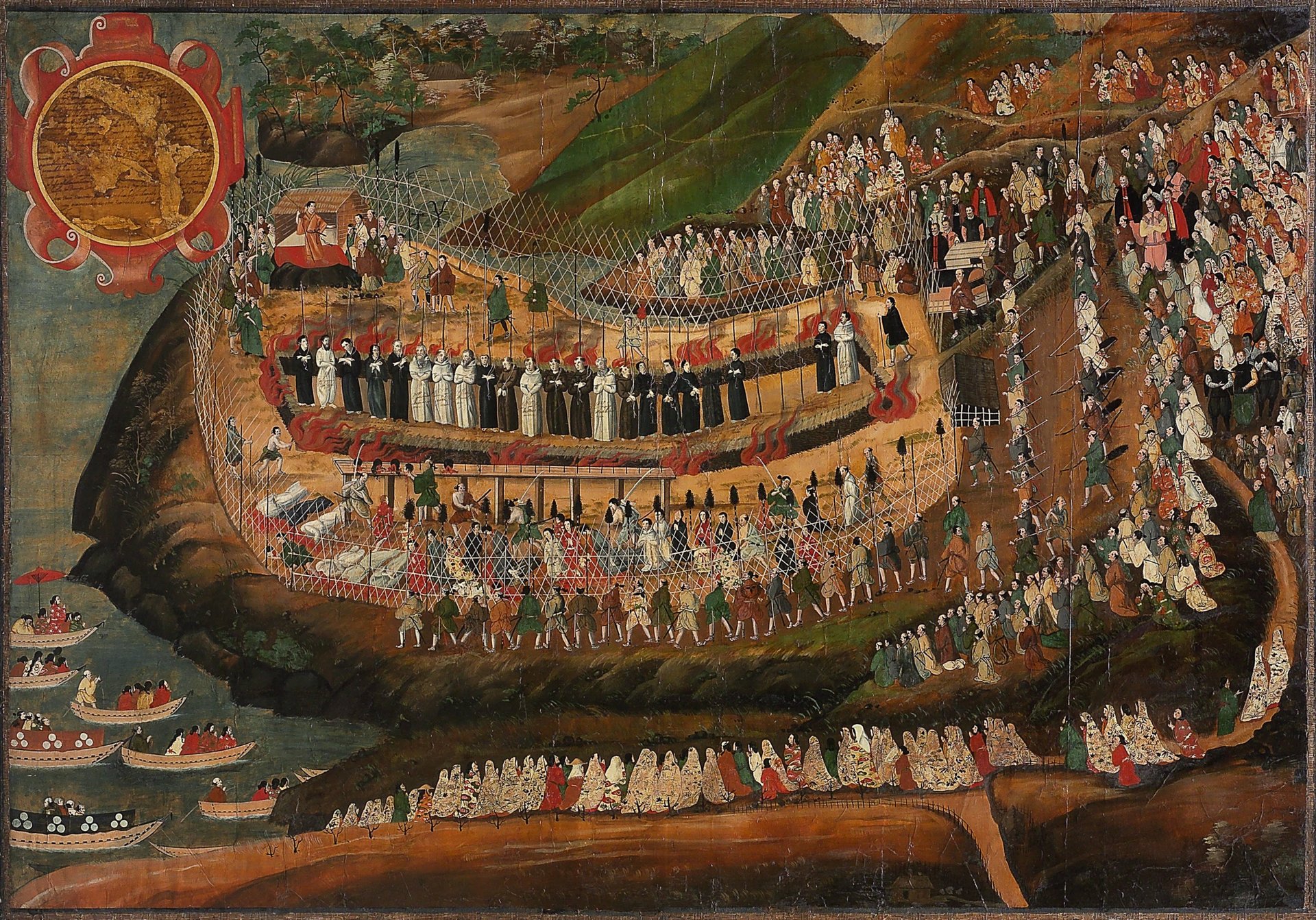
The grandson of Xavier's host at Hirado who became one of the first two Japanese priests in 1601, spent seven years hiding in disguise, and was the last to die in the fires of the Great Martyrdom of 1622.
A poor Japanese boy who studied in Rome, became a diocesan priest under the eye of Cardinal Bellarmine, came home in 1615, gave up his faith in a Nagasaki prison in 1619 and served the magistrates for years, and who, by Dutch and Jesuit reports, confessed Christ again in old age and died for it.
Masuda Shirō Tokisada, known as Amakusa Shirō and said to have been baptized Jerónimo, was the teenage figurehead of the Shimabara and Amakusa rising of 1637 to 1638; he died with the defenders of Hara Castle, and the banner of the Blessed Sacrament carried in his name survives.
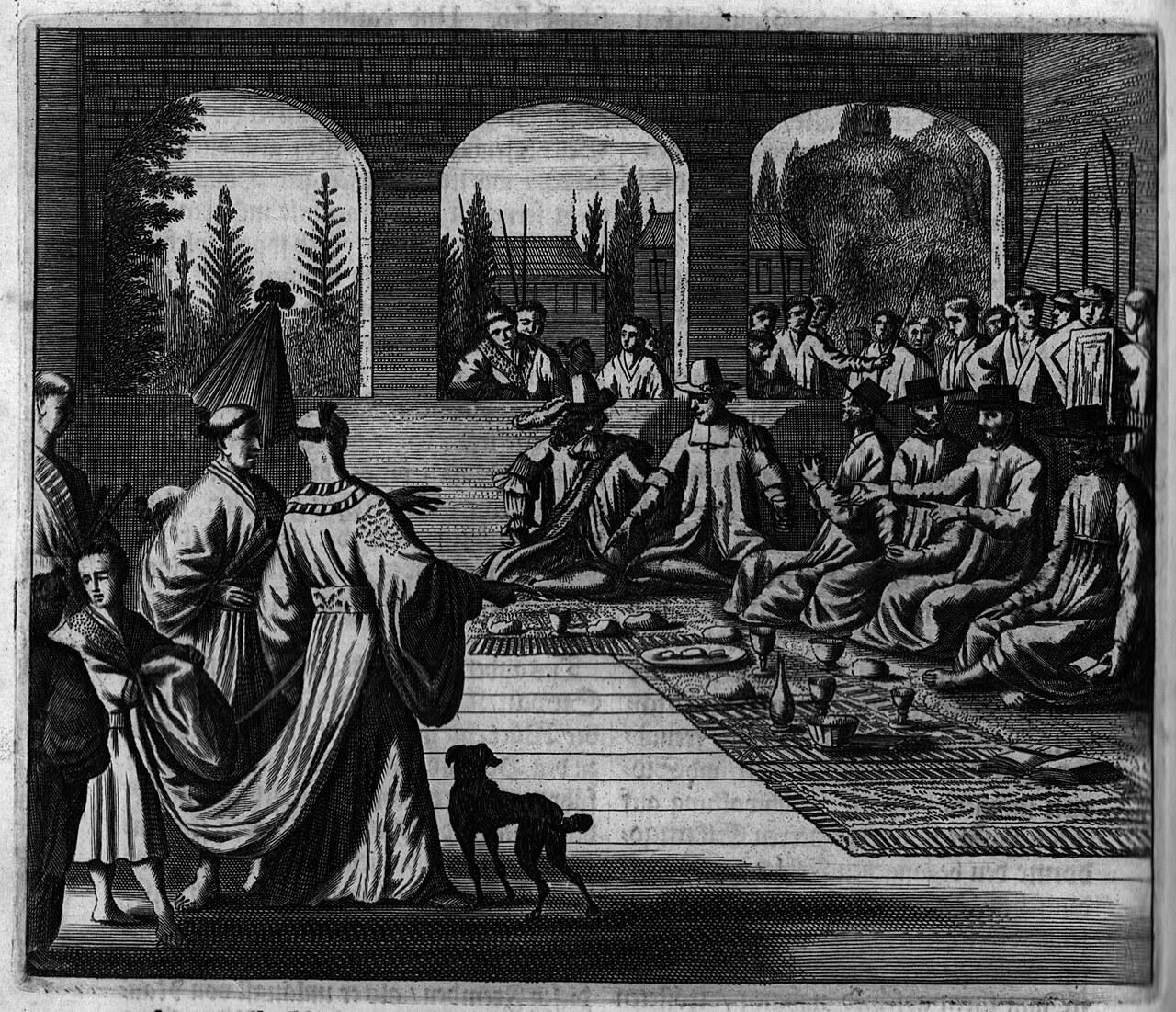
The Portuguese Jesuit who led the hidden Church in Japan, broke after five hours in the pit in 1633, and spent seventeen years as Sawano Chūan, serving the men who hunted his former brothers.
A Japanese catechist of Sotome, remembered almost entirely through oral tradition, who is said to have left the hidden Christians a church calendar and four prophecies, one of which told them to wait seven generations for priests who would come in a great black ship.
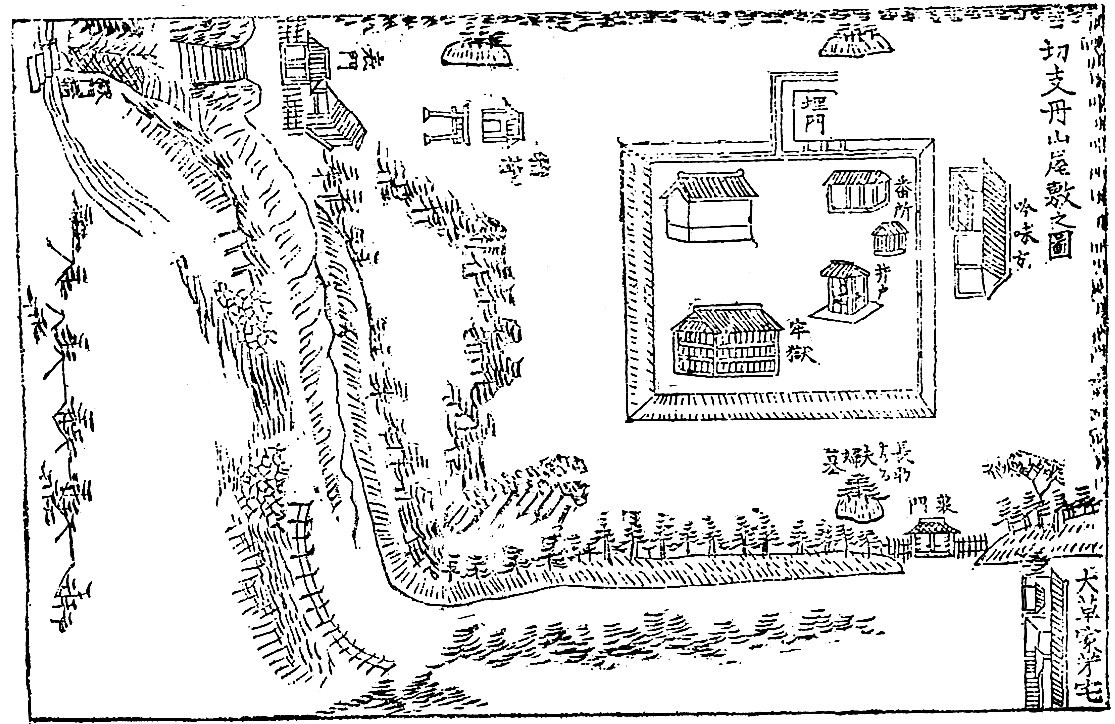
A Sicilian Jesuit who slipped into Japan in 1643 to win back the fallen Ferreira, broke under torture himself, and lived 42 years as a prisoner in Edo under the name Okamoto San'emon.
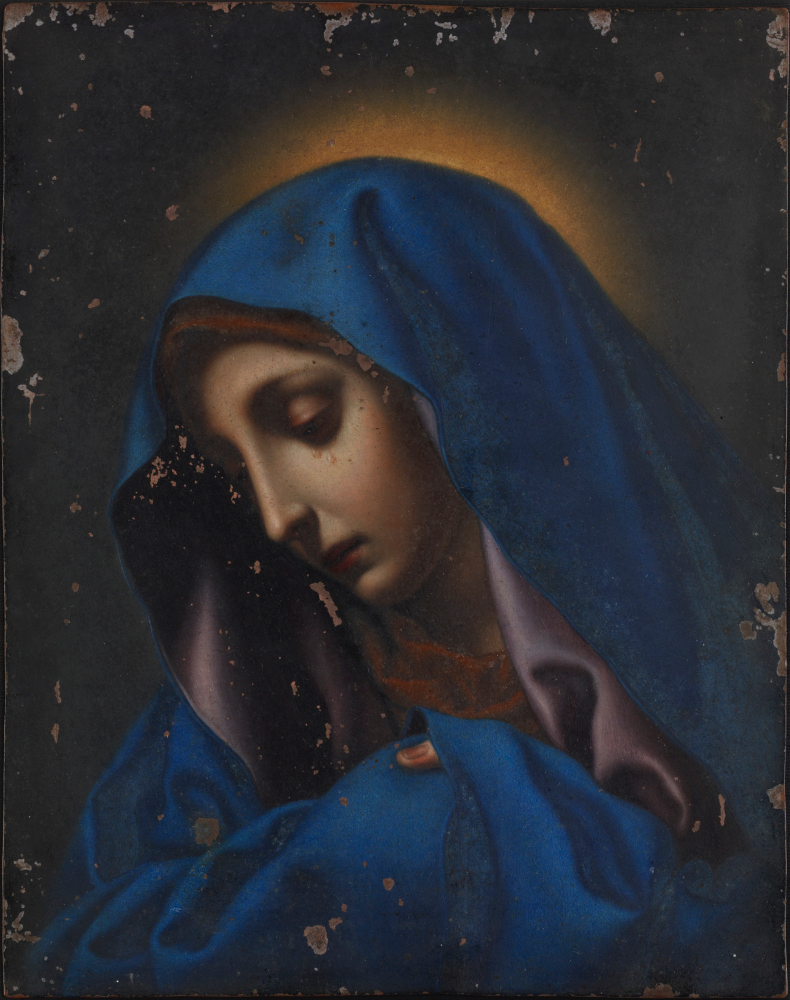
A Sicilian priest who walked alone into a closed country in 1708, met its greatest scholar, Arai Hakuseki, across a prison bench, and died in Edo in 1714; his bones were found in 2014.
Discovery and the modern church, 1865 to 1951
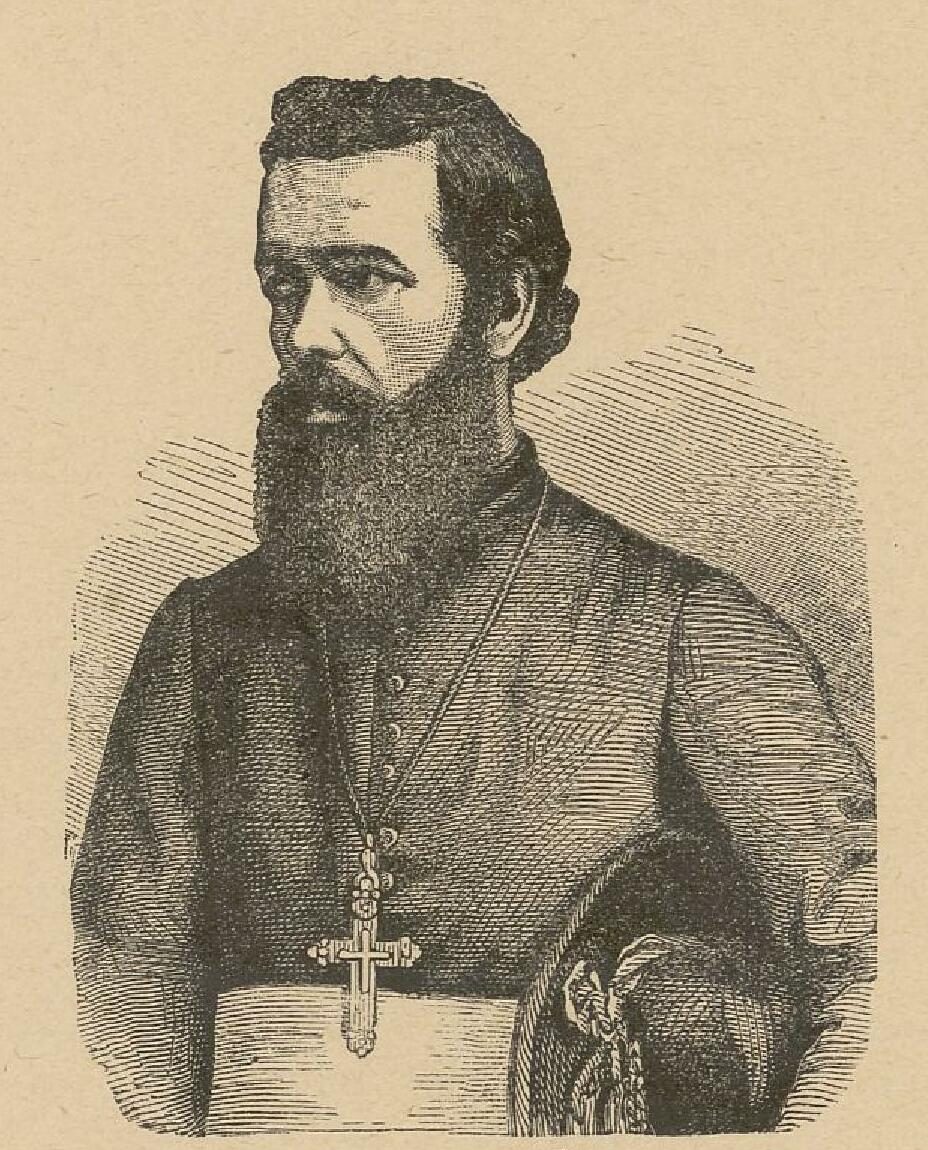
A French country priest who escaped through a window to become a missionary, built the church at Ōura, received the hidden Christians of Urakami on 17 March 1865, and spent the rest of his life as their bishop through persecution and exile.
A peasant's son from the Pyrenees who stood beside Bernard Petitjean at Ōura from 1864, went out by night in Japanese clothes to say Mass for the hidden Christians of Urakami, took the seminarians into exile at Hong Kong, and died at Osaka in 1885 as auxiliary bishop of southern Japan.
Jules-Alphonse Cousin MEP (1842 to 1911), a lively Vendée boy who arrived in Nagasaki a year after the discovery of the hidden Christians, carried Urakami's young seminarians to safety in 1868, kept faith alive among the exiles in Osaka, and for twenty-six years as bishop rebuilt the Church of southern Japan around its own Japanese priests.
Fukuba Bisei (1831 to 1907), the Tsuwano scholar of the national learning who helped shape early Meiji Shinto policy, urged exile rather than execution for the Christians of Urakami, brought his own domain to receive them for "persuasion," and once sat down to dinner with the twelve who would not yield.
Ōkubo Toshimichi (1830 to 1878), the Satsuma statesman who more than anyone built the early Meiji state, served the government that exiled the Christians of Urakami, signed the proposal that ended the old Buddhist religious registers, and as vice-envoy of the Iwakura Mission urged in 1872 that the anti-Christian notice boards be taken down.
A Norman priest of the Paris Foreign Missions Society who came to Nagasaki in 1868 as Bishop Petitjean's lithographer, nursed Urakami through the epidemic of 1874, built the Ōura seminary, and spent his last thirty-five years as parish priest of Sotome, where he built the churches of Shitsu and Ōno and gave the villagers a way to live.
An Urakami midwife, baptised in secret as Isabelina, who on 17 March 1865 whispered to a French priest at Ōura, "Our hearts are the same as yours," and later went into exile for it.
The last surviving lay baptizer of Urakami, who kept baptism alive for the whole hidden church after the arrests of 1856, sheltered a secret chapel behind his house in 1867, and died an exile at Tsuwano in 1870, leaving a son who became a priest.
A young farmer of Nakano in Urakami who was arrested in the raid on the secret chapels in 1867, held out for years in exile at Tsuwano through hunger, the ice pond and the three-foot cage, escaped once to find a priest and then walked back into prison, and kept the written record of those who died there.
Dominic Takagi Sen'emon, a farmer of Tsuji in Urakami whose house became the secret chapel of Saint Joseph, was the one prisoner who did not recant in 1867, endured the ice pond and the cage at Tsuwano, and after the exile gave his house and land to the young women who became the Sisters of the Annunciation.
A farmer's wife from Ipponki in Urakami who was exiled to Wakayama with her four daughters in the winter of 1869 to 1870, survived the horse stable where the weak and the old were left to starve, refused to give up her faith, and left a plain spoken memoir that is one of the clearest voices of the Urakami exile.
The son of a Sendai greengrocer who became, on 30 October 1927, the first Japanese Catholic bishop, consecrated by Pope Pius XI in St Peter's; as bishop of Nagasaki he welcomed Maximilian Kolbe and founded the Junshin Sisters before illness ended his work.
The Polish Conventual Franciscan who landed at Nagasaki in 1930 with a printing press and almost no Japanese, published the Japanese *Knight of the Immaculata* within a month, founded the friary of Mugenzai no Sono on the slopes of Mount Hiko, and in 1941 gave his life at Auschwitz in place of a father of a family.
Paul Yamaguchi Aijirō (1894 to 1976), son of an Urakami exile, became the first bishop from the diocese of Nagasaki itself, shielded the Dutch missionaries of Flores during the Japanese occupation, came home to an Urakami destroyed by the atomic bomb, and led the rebuilding of its cathedral and Church as Nagasaki's first archbishop.
A Buddhist carpenter's son from the Gotō islands who learned Gothic vaults from French priests and from books in foreign languages, and built the brick, stone and timber churches in which the descendants of the hidden Christians came out to worship.
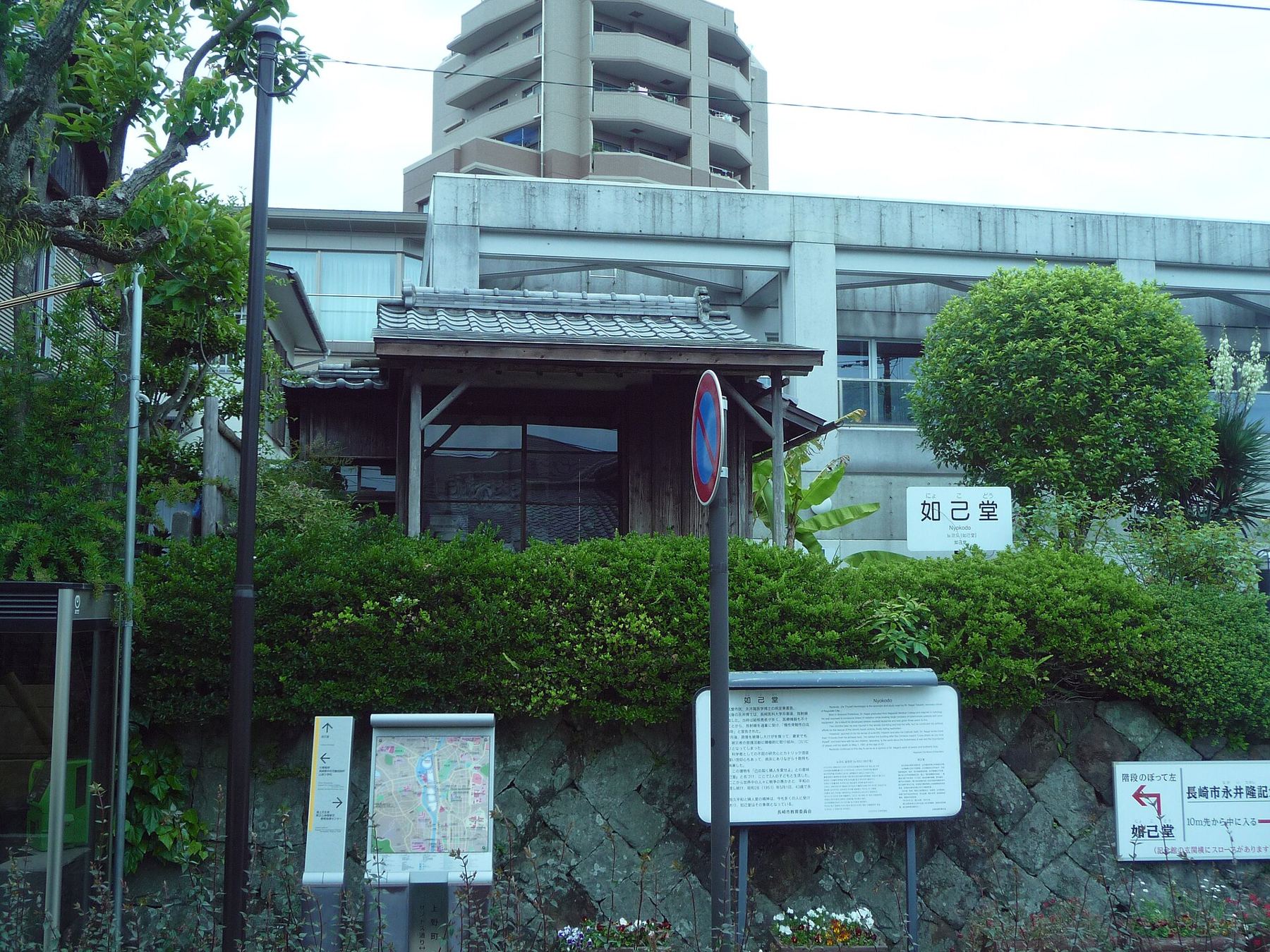
A radiologist from Shimane who became a Catholic in Urakami, married into one of its old hidden Christian families, was gravely injured by the atomic bomb that killed his wife, and spent his last years in a two-mat hut writing *The Bells of Nagasaki* and a dozen more books under the motto "love others as yourself."
Moriyama Midori (died 9 August 1945), only daughter of an Urakami family descended from the hidden Christians' leaders, married the young radiologist Nagai Takashi in 1934, kept his house and her faith through poverty and his illness, and was killed in her kitchen by the atomic bomb; her husband found her remains with the chain of her rosary beside them, and gave the book he wrote about her that name.
Makoto (1935 to 2001) and Kayano (1941 to 2008), the two children of Dr Paul Takashi Nagai who survived the atomic bomb because they had been sent to the hills, grew up beside their dying father in the two-mat hut of Nyokodō, were the "children left behind" of his best-known book, and later carried his witness themselves.
Endō Shūsaku (1923 to 1996), baptised as a boy and a Catholic all his life, wrote *Silence* (1966) after seeing a trampled fumie in Nagasaki; the novel troubled some Catholics and moved many more, and Endō himself insisted that it is a book about a God who is not silent.
More lives to come (61)
- Pedro Bautista
- Lorenzo Ruiz
- Magdalena of Nagasaki
- Kintsuba Jihei
- Camillo Costanzo
- Juan Goto
- Date Masamune
- Hasekura Tsunenaga
- Mansho Konishi
- Miguel Matsuda
- Martino Hara
- Nuno Mascarenhas
- Diogo Yuki Ryosetsu
- Justa, daughter of Otomo Sorin
- Magdalena Kiyota
- Miyake Toemon
- Chosaburo (informer)
- Romano Kibe
- Joao Baptista Porro
- Martino Shikimi
- Antonio Cardim
- Murayama Toan
- Francisco Murayama
- Murayama Shuan
- Manuel Murayama
- Suetsugu Heizo
- Urakawa Wasaburo
- Kyōgoku Maria
- Valentim Carvalho SJ
- Kyōgoku Takatsugu
- Gamō Ujisato (Leo)
- Fabián Fucan
- Diogo de Carvalho SJ
- Jerónimo de Angelis SJ
- Bishop Paul de Curte
- Bishop Raffael de Hiacynto
- Katakura Kojūrō
- Ishimoda Daizen
- Moniwa Suō
- Date Tadamune
- Pedro Morejón SJ
- Antonio Rubino SJ
- Patriarch Afonso Mendes SJ
- Romão Nishi SJ
- Oliver Pensa SJ
- Kibe Sakon-no-tayū Kazutatsu
- Kibe Kamon-no-suke Shigetada
- Hata Bingo-no-kami Ki no Motonaga
- Jo Hieronymus (Torres)
- Sakai Tadakatsu
- Takuan Soho
- Yagyu Munenori
- Francois Caron
- Hubert Cieslik SJ
- Funakoshi Yasutake
- Francisco Vieira SJ (Visitor)
- Manuel Dias SJ
- Juan Lopez SJ (Manila)
- Kibe Gozaemon Joao
- Barajas (Franciscan, arrested 1639)
- Nakane Iki-no-kami